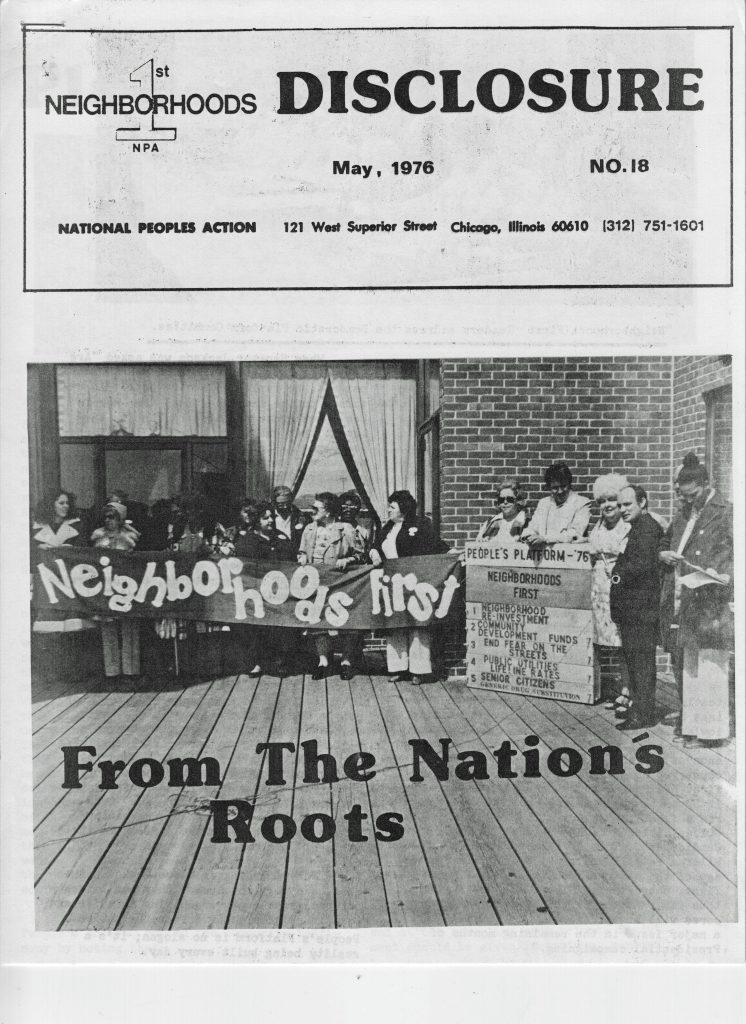
Ted Wysocki, founding editor of the DISCLOSURE newsletter that documented the grassroots movement against redlining, reflects on this movement for transparency amidst the current administration’s war on public data and accountability.
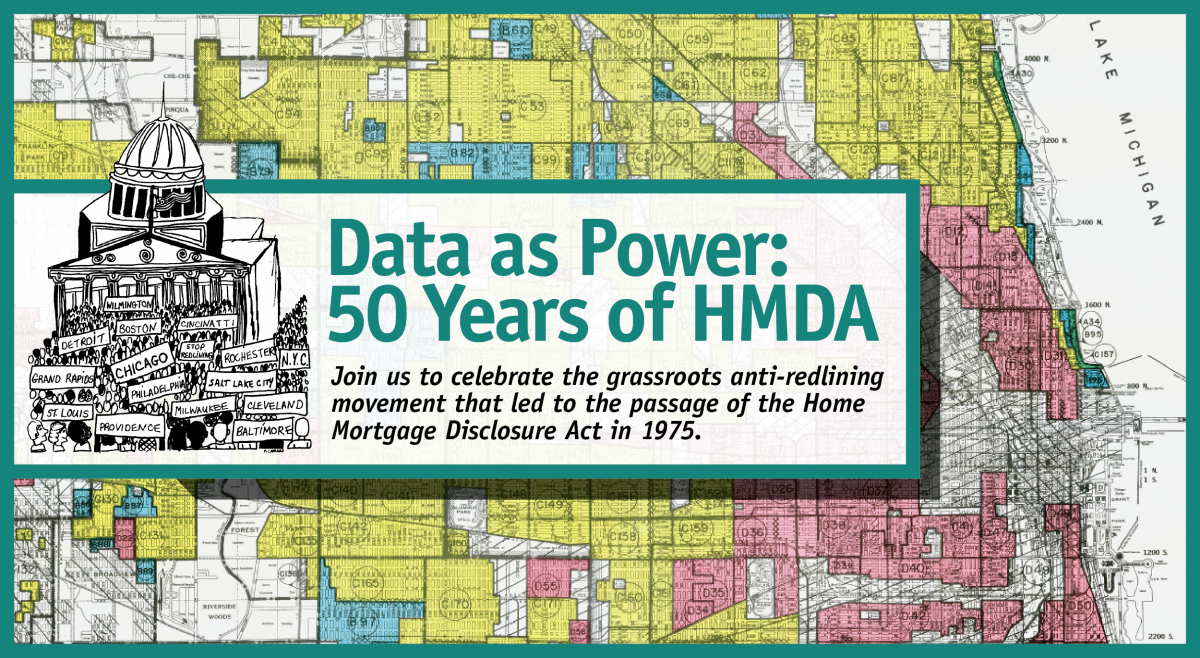
Help us celebrate the legacy of this multiracial coalition that took on the financial industry by joining us on December 10 for Data As Power: 50 Years of HMDA. Get your tickets now!
by Ted Wysocki
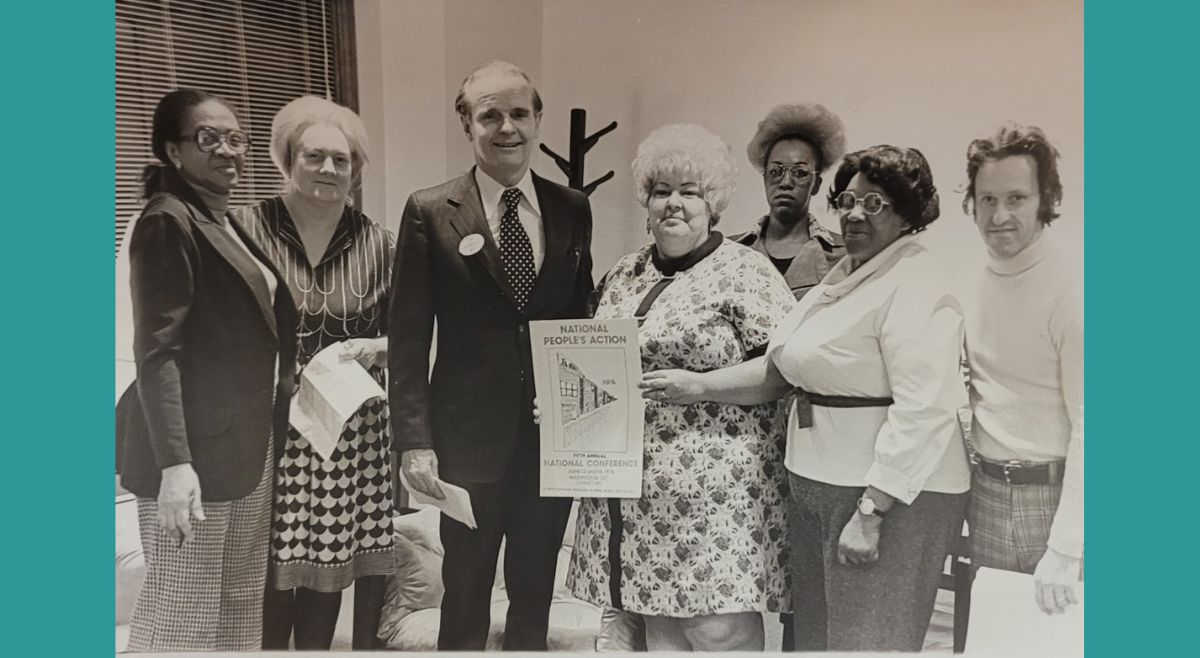
In August 1974, I edited the first issue of DISCLOSURE. In her first NEXT MOVE column, Gale Cincotta, co-founder of the National People’s Action, shared:
“We’ve called this newsletter DISCLOSURE not only because it’s our major demand on redlining but because it stands for our right to know on all issues…. In this post-Watergate era, we must have accountability. We have a right to know where our savings and rent go; who is making money off our lack of adequate housing. We have a fundamental right to know and say. DISCLOSURE will serve these rights.”
On May 5, 1975, US Senator William Proxmire (D, WI) convened the Senate Committee on Banking, Housing and Urban Affairs to hear testimony on the Home Mortgage Disclosure Act of 1975, which would require financial institutions to disclose data on the loans they make. Over 150 community leaders from 30 cities in 17 states attended the hearing. Testimony was delivered from Chicago, Milwaukee, Cincinnati, Indianapolis, Providence, Boston, Oakland, and more in writing.
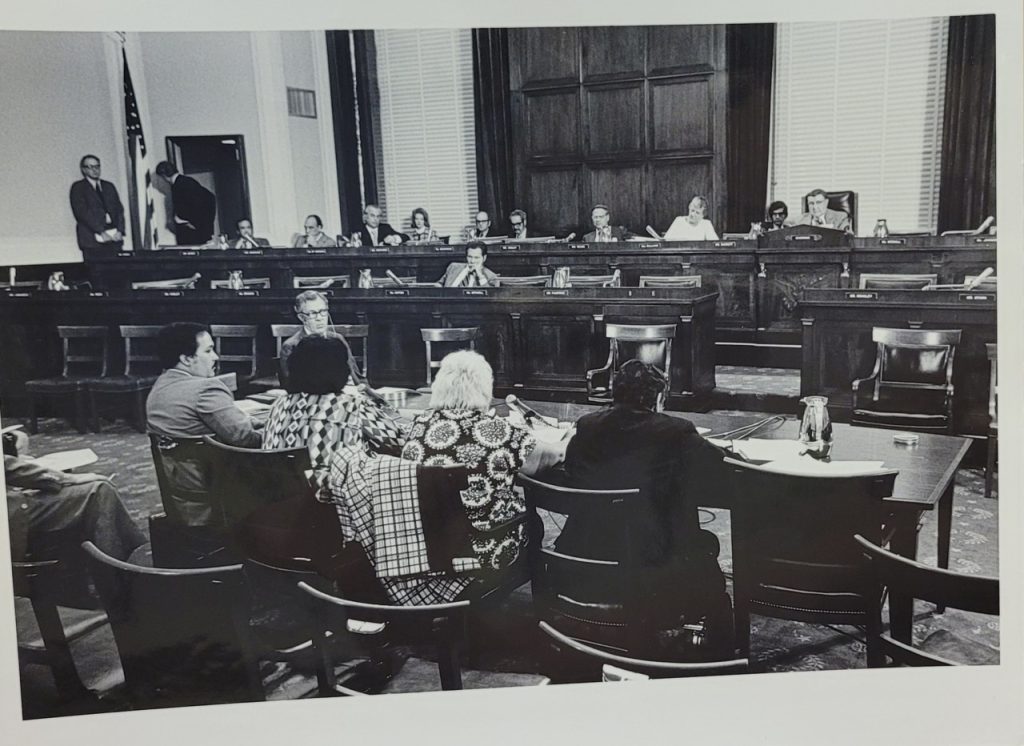
Gale concluded her testimony that day: “The regulatory agencies need mandatory disclosure to effectively monitor the lending industry. Congress needs national full disclosure to analyze our national housing crisis and develop positive reinvestment programs to preserve our neighborhoods.”
On September 4, 1975, the US Senate passed S1281, the Home Mortgage Disclosure Act. On October 31, the US House passed HR10024. By December 1975, Congress passed a resolved bill. On January 2, 1976, President Gerald Ford signed the Home Mortgage Disclosure Act (HMDA) of 1975 into law.
As we remember the community leaders who led this fight 50 years ago from their neighborhood streets to the halls of Congress, we must also acknowledge this battle for economic justice must continue to be waged today. In recent years, the responsibility for publicly releasing HMDA data was that of the Consumer Financial Protection Bureau.
Alarmingly, key figures in the administration continue to share their intent to abolish the CFPB. They also continue to remove public datasets, wage war on any and all efforts to remedy racial inequities, and disdain any research that highlights racial disparities. Taken in concert, these actions raise numerous red flags for the future of both public access to HMDA data and fair lending and fair housing initiatives in general.
Why stop monitoring the lending industry? Why would Congress ignore our national housing crisis? Why curtail reinvestment initiatives to rebuild communities in every state? What can communities do in response? I look forward to discussing these questions and more with my fellow panelists at the upcoming 50th anniversary celebration of HMDA.
Disclosure is still law. The data needs to be in the public’s hands. Fifty years later, Disclosure still remains our right!