Written by Serrater Chapman, Director of Applied Research, Woodstock Institute. Letter to the editor originally published in the Chicago Sun-Times on January 17, 2026.
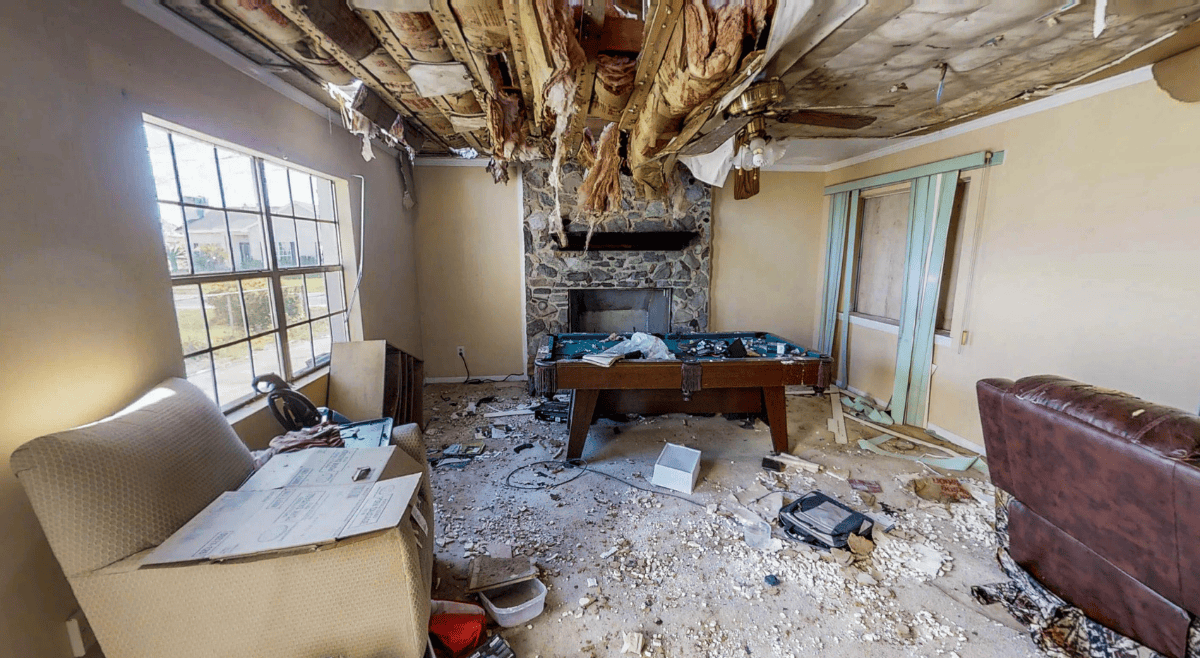
The term “housing crisis” tends to conjure an image of young first-time homebuyers priced out of the market, but even many longtime homeowners, especially seniors and lower-income households, are struggling more to maintain safe and habitable homes. Roofs leak, furnaces fail and electrical systems age. These are not luxury upgrades, but essential repairs; yet access to affordable financing is out of reach for many Chicagoans.
New research from Woodstock Institute reveals that as demand for home improvement financing has surged, denials have outpaced approvals for almost everybody in Chicago and Cook County. Loans under $75,000, typically used for essential fixes like roofs, HVAC and aging-in-place modifications, are the hardest to get. In Chicago, only 1 in 5 first lien applications for loans under $75,000 were approved, and approximately 1 in 3 for second lien applications.
Unsurprisingly, the burden is not equally shared. Black and Latino homeowners face denial rates of approximately 60% and 50%, respectively, for subordinate loans in Chicago and Cook County. White applicants were the only group whose approvals exceeded denials. Mirroring Chicago’s long history of segregation and disinvestment, many South and West Side neighborhoods especially have older homes, lower incomes and limited savings to pay for repairs.
The longer lending activity falls short, the more Chicago’s aging housing stock will continue to deteriorate. Nearly half of occupied homes in Cook County were built before 1960. Beyond the immediate challenges this cycle creates for individual homeowners, the lack of repair financing affects entire blocks and neighborhoods, feeding into an all-too-familiar cycle of depressed home values, neighborhood decline and housing instability for current and future homeowners, threatening wealth-building opportunities.
Preserving safe, affordable housing requires action using the many tools already available. Lenders can expand access by offering smaller-dollar loan products and partnering with community development financial institutions. Public agencies can scale repair assistance programs and streamline access to grants and low-cost loans. For example, the Fix Our Homes Illinois campaign is working to fund repairs for low-income seniors and train local contractors.
In a city where renters already outnumber owners, losing more owner-occupied homes to disrepair will only deepen housing insecurity. Ensuring access to financing for essential home repairs is not just about homeowners. It is about protecting and building Chicago’s neighborhoods.